



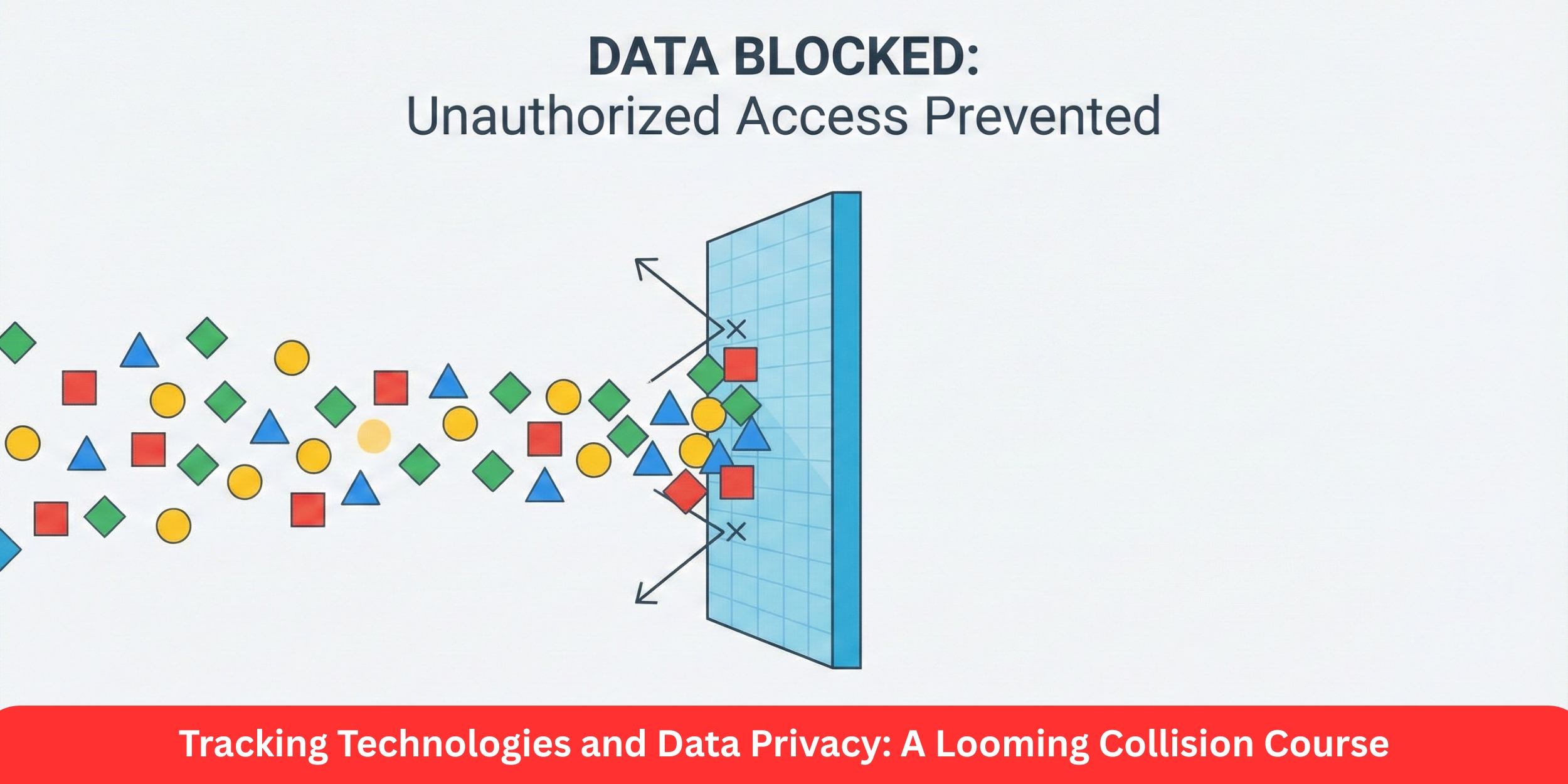
Introduction
You browse a website, place an item in the cart. You leave. Later, ads of that item chase you across different websites. Creepy? Maybe. Expected? Sadly, yes. That’s tracking technology in action and an increasing threat to what’s yours: your data privacy.
You might not see it. But behind almost every ad, login prompt or “Accept Cookies” banner there’s code quietly gathering pieces of your digital life. Over time, those pieces build a detailed portrait of you: your habits, interests, even vulnerability points.
This blog explores how tracking technologies clash with data privacy. It shows what’s happening now, why it matters, and what you can do.
What “Tracking Technologies” Means Today
When I say “tracking technologies,” I mean more than just old‑school cookies. The tools have evolved.
Traditional cookies, especially third‑party cookies, used to be the backbone of cross‑site tracking. They’d record which sites you visited, what you clicked, then share the info across ad networks.
Today, browser fingerprinting and device fingerprinting have become common. Instead of storing data on your device, they read device attributes screen resolution, fonts, timezone, OS and build a unique “fingerprint.”
There are also more covert methods: cookie syncing, zombie cookies, first‑party tracking cookies masquerading as harmless, or server‑side tracking that moves tracking logic away from the browser to the company server.
In short: “Tracking technologies” now covers a wide set of tools. Some are easier to spot; some are almost invisible.
Why Data Privacy Is Under Threat
You’ve heard “privacy is dead online.” It’s not an exaggeration. Here’s what drives that fear.
First: sheer scale. A recent web‑wide analysis found about 61 percent of cookies enable third‑party tracking meaning a majority of sites you visit share data with outside ad networks.
Even if you block cookies, browser fingerprinting can still track you. Researchers at top universities recently confirmed websites use fingerprinting to build persistent profiles without storing anything on your device.
Also: as some protections rise, trackers adapt. Blocking third‑party cookies is now common. But trackers shifted to first‑party cookies (which often escape scrutiny) or resort to server‑side tracking and fingerprinting often with zero user consent.
Finally: regulation and transparency lag behind. Anonymized data isn’t always anonymous. Aggregated or fingerprint‑derived identifiers can still tie back to individuals. If data leaks or is misused, the consequences get real: identity theft, unfair profiling, manipulation, or intrusive micro‑targeted ads.
When tracking and data privacy collide, you lose control over your own digital identity.
How Tracking Technologies Work (and Hide in Plain Sight)
Let me walk you through how some of these methods operate and why they often go unnoticed.
Third‑party cookies: When you visit Site A, a tracker (say, from an ad network) injects code that drops a small cookie in your browser. Later, when you visit Site B which also uses that ad network, your cookie is read again linking your activity across sites. Because it's “third party,” you often don’t realize a separate network is involved.
Cookie syncing: That cookie data doesn’t stay isolated. Ad networks share or sync cookies with each other enabling multiple parties to merge data and build a richer profile.
Zombie cookies / Ever cookies: You delete your cookies. Great. But then another storage mechanism recreates them local storage, ETags, or Flash storage, for example. That means deleting cookies doesn’t always untrack you.
Browser / device fingerprinting: Instead of storing anything, trackers read stable properties of your device OS, browser version, fonts, screen resolution, time zone, etc. That “fingerprint” can often be unique. Each visit to any site using that tracker feeds the same fingerprint giving a persistent identity without cookies.
Server‑side tracking & login‑based identity linking: Some sites push users to log in, use sub‑domains, or cloak tracking under first‑party domains. Once you log in, your shadow profile built from cookies, fingerprints, browsing habits merges with your real identity. Suddenly all data is tied directly to you.
What’s scary: many of these methods are invisible. You see no cookie banner. You only see offers, ads, or recommendations. You may think you’re browsing free.
The Collision: Tracking vs. Data Privacy
This isn’t just technical. It’s a conflict over who owns your data, and who controls how it’s used.
Risks to Individuals
Loss of consent and control: Silent fingerprinting or server‑side tracking bypass consent banners. You may never know you’ve been tracked.
Persistent profiling: Because tracking crosses websites, devices, sessions you end up with a long‑term profile. That can feed ads, but also manipulative content, price discrimination, or biased offers.
Breach & misuse vulnerability: If trackers get breached you don’t just lose cookies. You may lose identity‑linked data tied to you across platforms.
Risks to Companies & Brands
Regulatory exposure: Many regulations around the world (like GDPR or similar laws) require explicit consent for personal data collection. Hidden tracking violates that principle.
Reputation damage: Users hate feeling spied on. Once trust is lost, loyalty evaporates especially now that awareness around data privacy is growing.
Business fragility: As browsers and regulators crack down, relying on invasive tracking becomes risky data could get blocked, policies changed.
The collision course is real. If companies keep pushing invasive tracking, they push privacy and risk losing trust, legal standing, and long‑term viability.
Why This Matters for Everyone Not Just Tech People
Maybe you think: “I’m not tech-savvy. I don’t care.” But this affects everyone.
Every online transaction, every login, every article you read adds data to a profile. Slowly, that profile becomes a recipe. For ads. For manipulation. For judgment.
Privacy isn’t just about hiding it’s about dignity, autonomy, and choice. When someone else builds your profile silently, you lose control over your digital self.
And it doesn’t stay personal. Collective tracking data shapes what kind of ads we see, what prices we’re offered, even what opportunities jobs, loans, services we get.
If governments, brands, users ignore this collision, we could end up in a world where privacy is optional. And consent is fiction.
That’s why this issue matters. Deeply.
What You and Companies Can Do
If you care about privacy and you should here’s how to push back:
Use browsers or tools that block fingerprinting and trackers by default. Some browsers are built for privacy.
Clear cookies regularly. But recognize: deletion might not be enough if trackers use fingerprinting or zombie cookies.
Favor websites with transparent privacy policies. If a site hides first-party tracking or server‑side tracking skip it.
Ask for consent. If you run a site or brand: use clear consent banners. Explain how data is collected. Give real opt-out. Treat user data like a trust not a resource to mine.
Use first‑party data & privacy‑first analytics if you do marketing. That means getting real consent, minimizing tracking, respecting privacy.
Small steps. But they add up.
FAQ
Q: What is the difference between third‑party cookies and fingerprinting?
Third‑party cookies store small bits of data on your device they require consent (or cookie banners) — and are relatively easy to detect or delete. Fingerprinting doesn’t store data. Instead, it reads your device’s properties (screen size, fonts, time zone etc.). That fingerprint tends to stay even if you delete cookies making it a stronger, stealth‑ire form of tracking.
Q: Can I stop fingerprinting completely?
Not fully. Fingerprinting relies on data your browser sends automatically. Some browsers or privacy tools make fingerprinting harder (by randomizing parts of the fingerprint or restricting data exposure), but they rarely block it completely.
Q: If cookies are disappearing, why should I still care about tracking technologies?
Because cookie‑based tracking is only one method. As cookies vanish, trackers shift to fingerprinting, first‑party cookies, server‑side tracking, login‑based identity all often invisible. The tracking changes, not the underlying problem.
Q: What should companies do to respect user privacy while still doing marketing?
Use first‑party consent-based data only. Be transparent about data collection. Provide clear opt‑out. Invest in privacy‑first analytics. Avoid shady tracking. Treat data collection as a trust, not a mining operation.
Q: Is regulation making tracking safer?
It helps but it often lags behind. Also, many tracking methods (fingerprinting, server‑side tracking) skirt traditional rules around cookies. So, regulation must evolve but individual awareness and ethical behavior matter now.